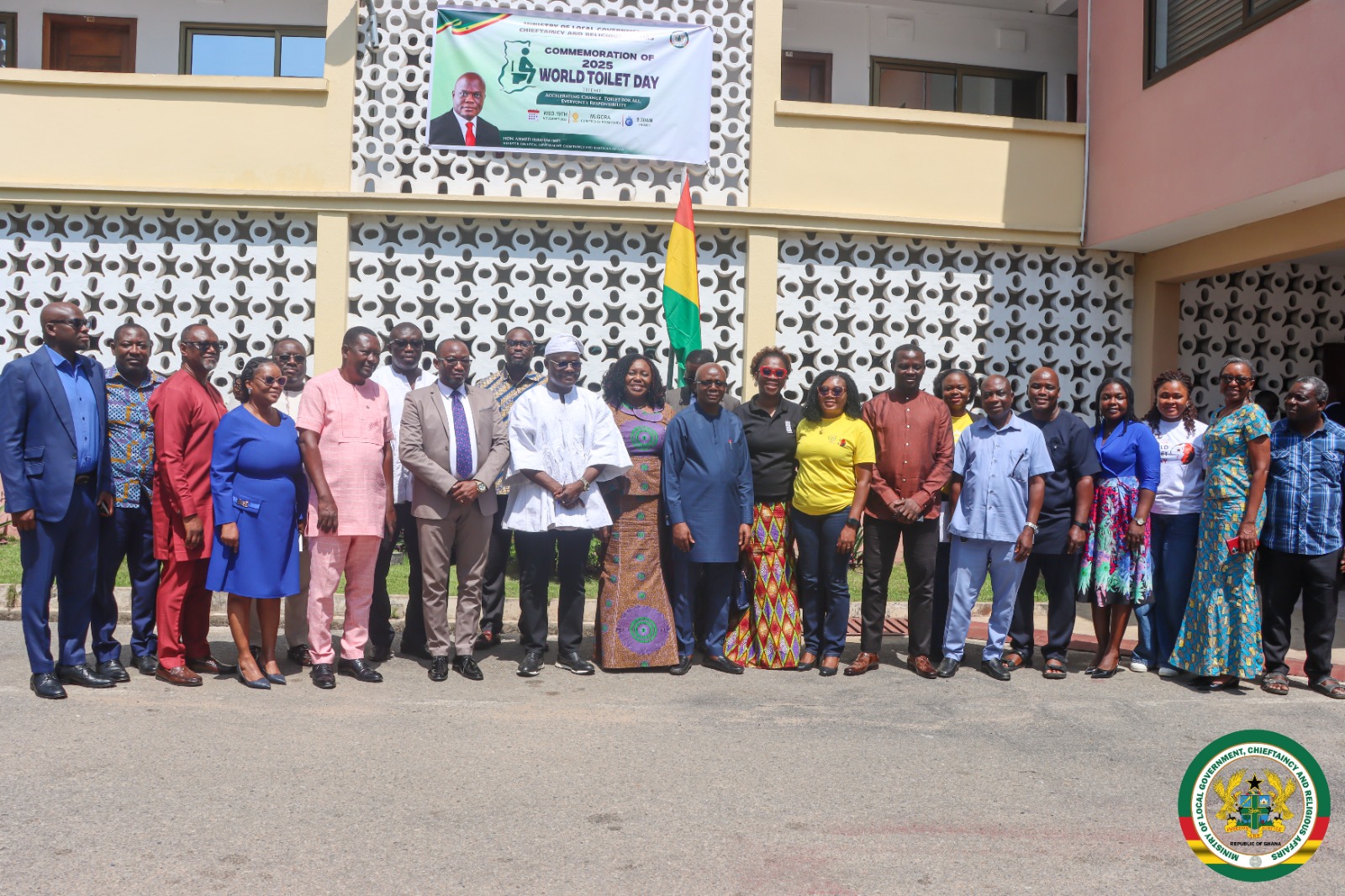
Government has approved an amount of GH¢400 million for the construction of an Integrated Waste and Compost Plant, a major intervention expected to strengthen Ghana’s waste management system and accelerate progress toward universal access to sanitation.
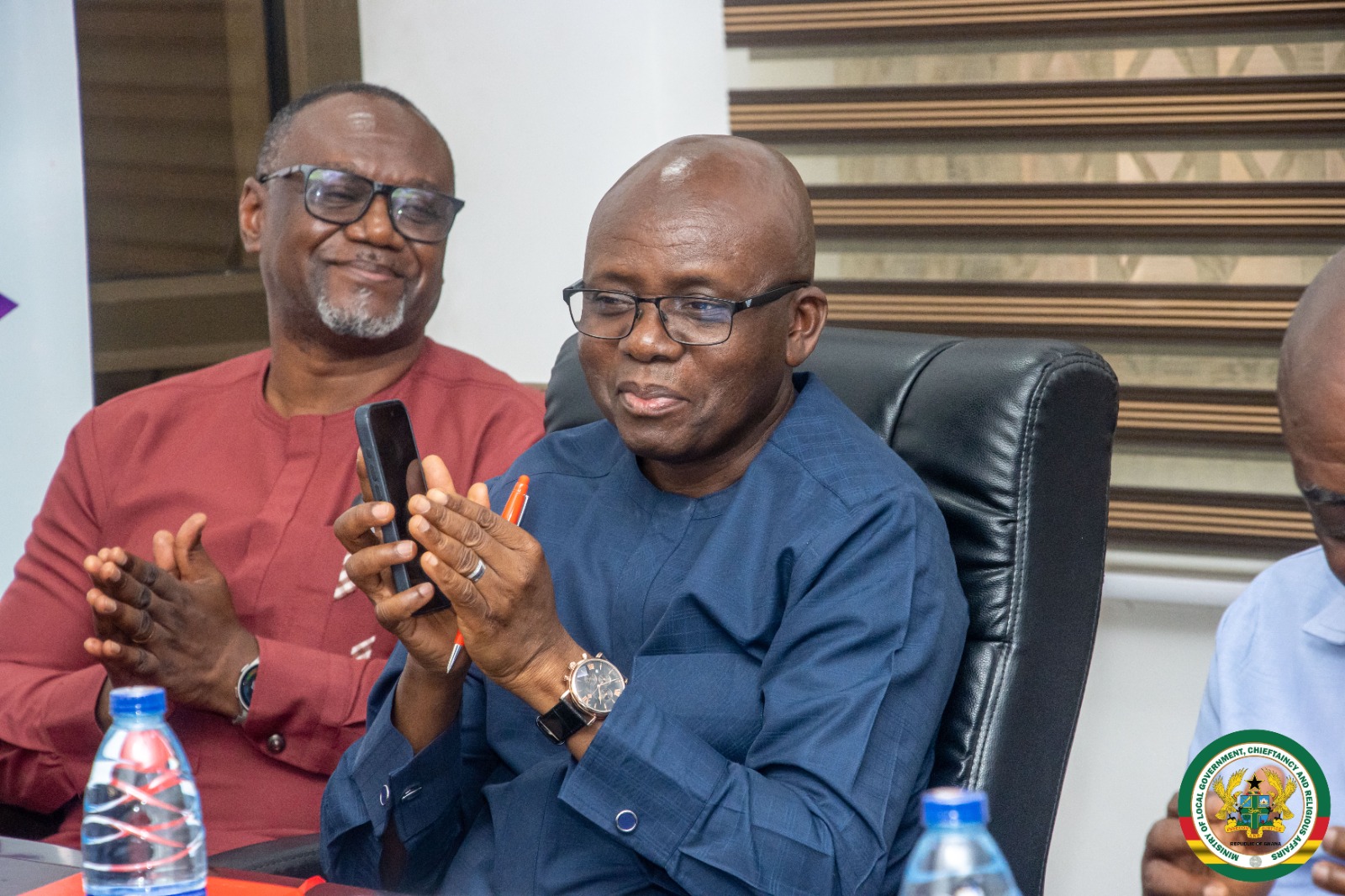
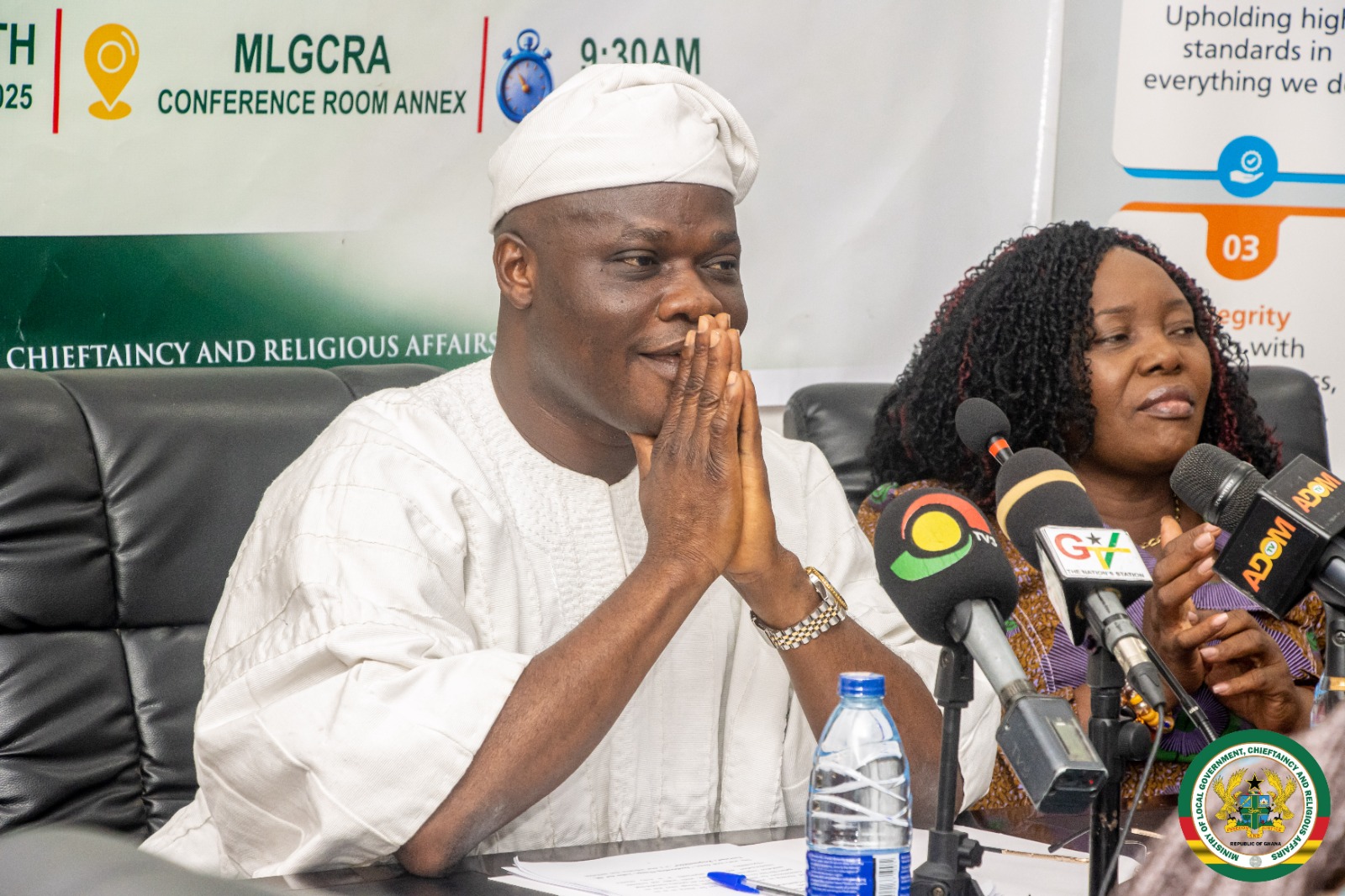
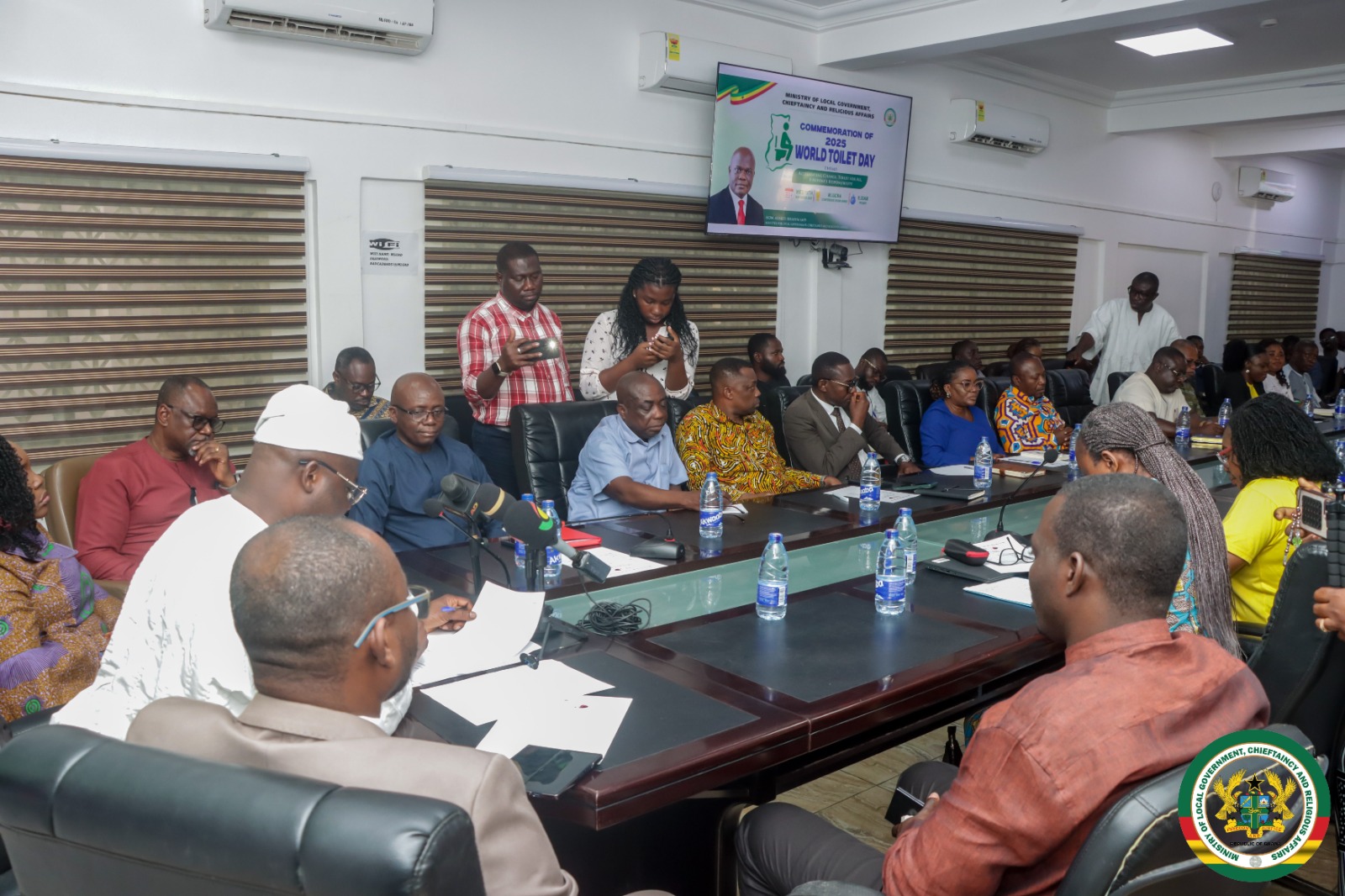
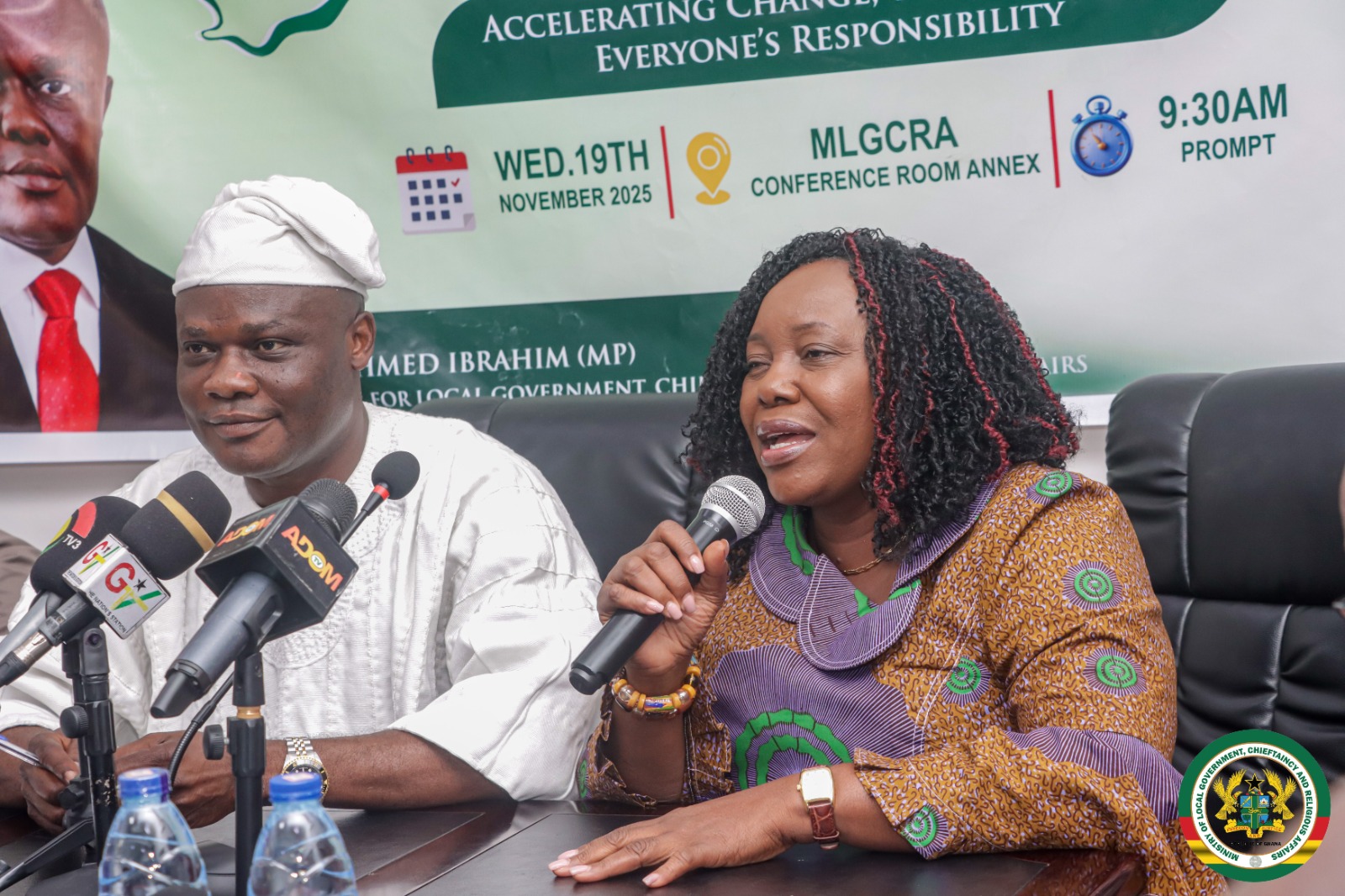
This came to light at a news conference to commemorate the 2025 World Toilet Day held on Wednesday, 19th November 2025 in Accra. It was announced by the Minister for Local Government, Chieftaincy and Religious Affairs, Hon. Ahmed Ibrahim.
According to the Minister, the approval marks one of the boldest investments yet in the waste and sanitation sector, made by government aimed at tackling the growing pressure on environmental health, reducing open defecation, and supporting proper treatment and recycling of waste across the country.
Hon. Ibrahim emphasized that Ghana could no longer afford slow progress in sanitation delivery, noting that poor sanitation continues to carry enormous human, environmental, and economic costs. He stressed that the new plant will not only improve waste processing but also contribute to cleaner cities, job creation, and enhanced public health outcomes.
In a firm call to action, the Minister indicated that all Metropolitan, Municipal and District Chief Executives (MMDCEs) have been directed to dedicate a portion of their District Assemblies Common Fund (DACF) specifically for water and sanitation improvement projects.
He noted that sanitation is a shared responsibility and that Assemblies must lead with stronger enforcement, infrastructure investment, and community engagement to close the sanitation gap more rapidly.
Citing recent statistics from the Ghana Statistical Service, the Minister highlighted the urgency of the national sanitation challenge, with only twenty-five percent (25%) of households having access to basic sanitation facilities and eighteen percent (18%) of Ghanaians still practicing open defecation.
He called on households, traditional authorities, private sector actors, development partners, religious bodies and the media to support government’s renewed drive for behavioral change and infrastructure expansion.
Hon. Ahmed Ibrahim also underscored that inadequate sanitation contributes to over 25% of outpatient cases at health facilities, including diarrhoea, cholera and typhoid, underscoring the link between sanitation, health, and national productivity.
The Minister reiterated government’s unwavering commitment to achieving the theme for this year’s World Toilet Day, Accelerating Change, Toilet for All, Everyone’s Responsibility.
He expressed confidence that with sustained investment, stronger local government action, and community ownership, Ghana will take significant strides in eliminating open defecation and ensuring every citizen has access to safe, dignified sanitation.
Source: Chantal Aidoo
Public Relations Unit, MLGCRA