MLGCRA Embarks on Policy Review to Strengthen Decentralisation for National Development

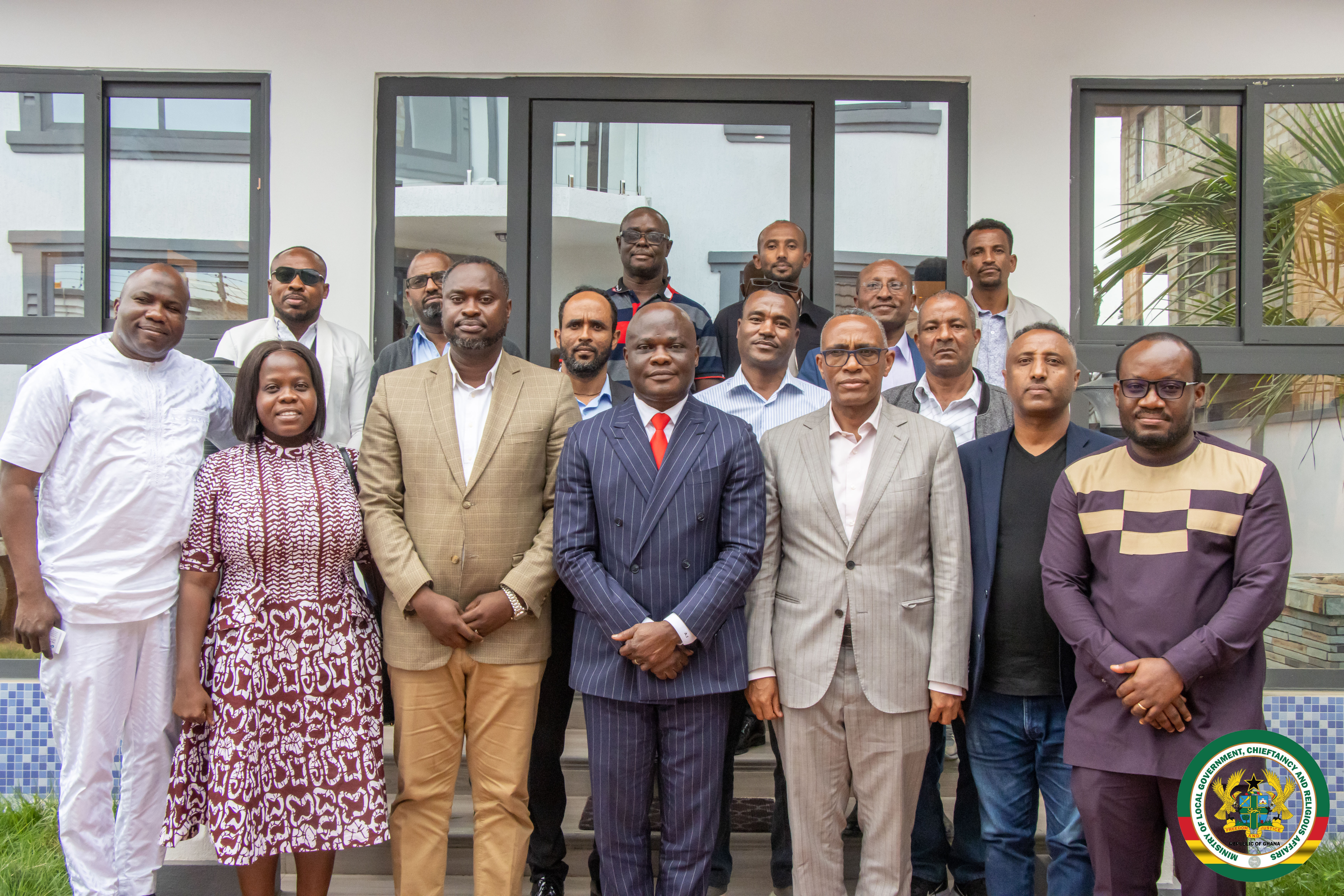
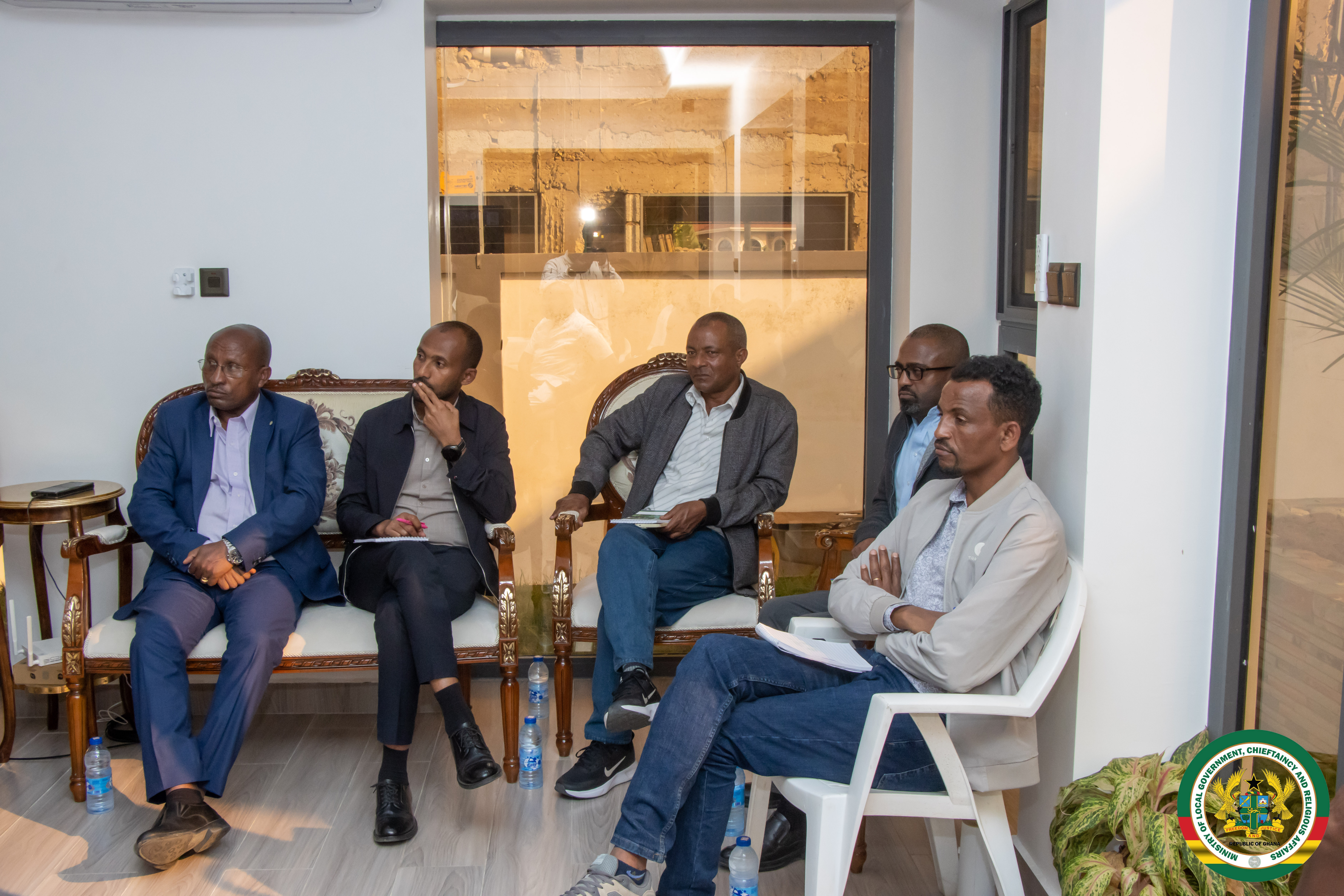
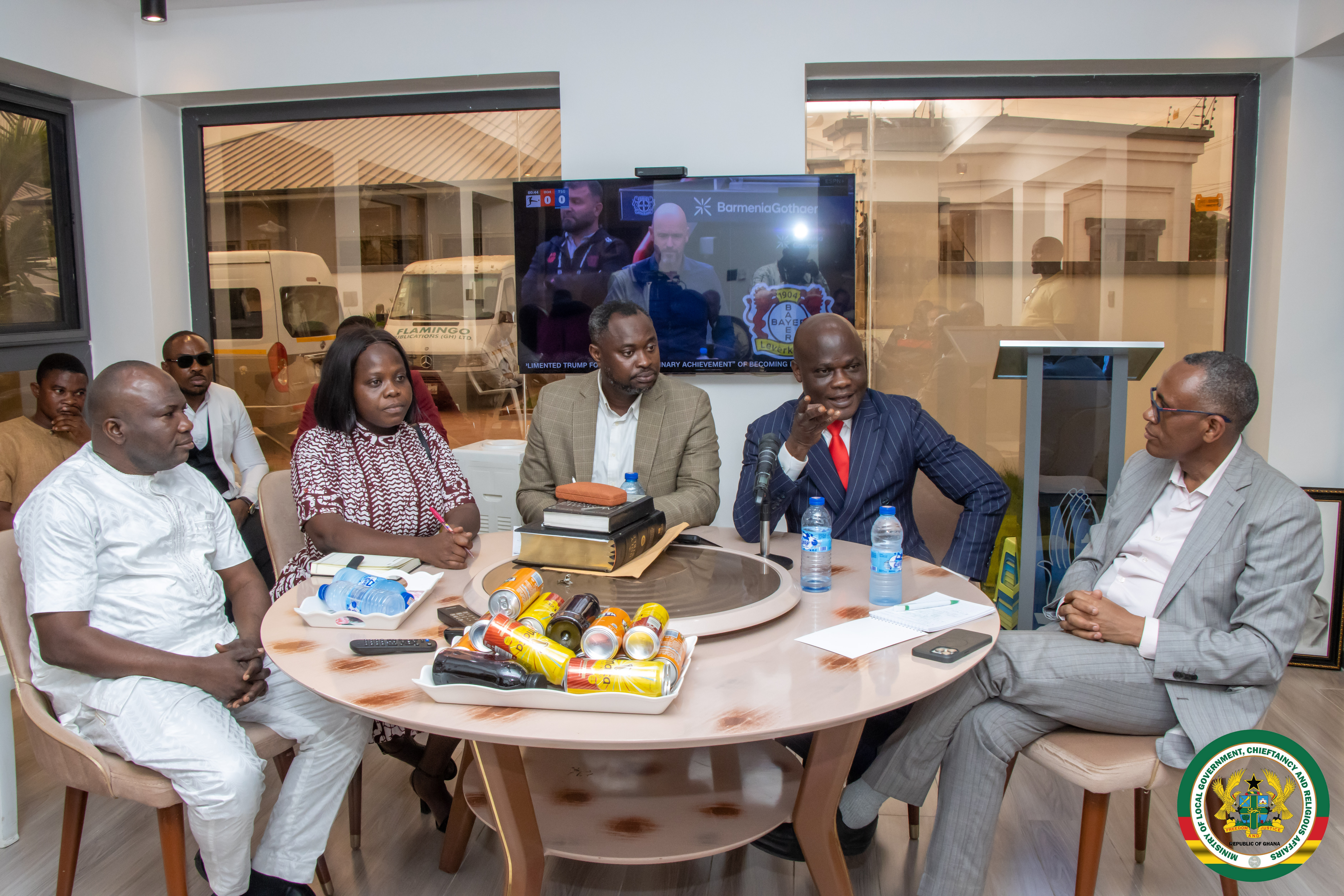
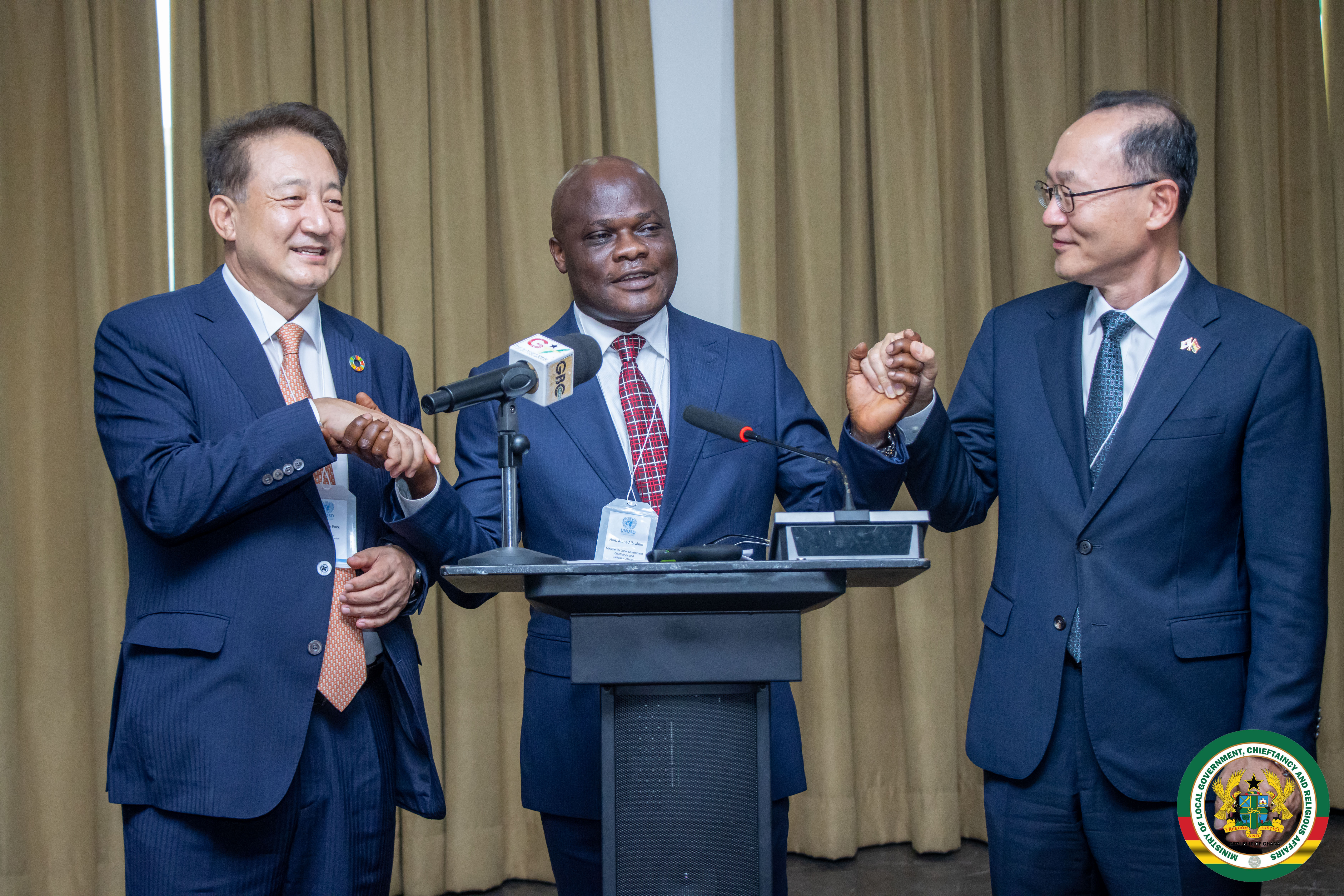
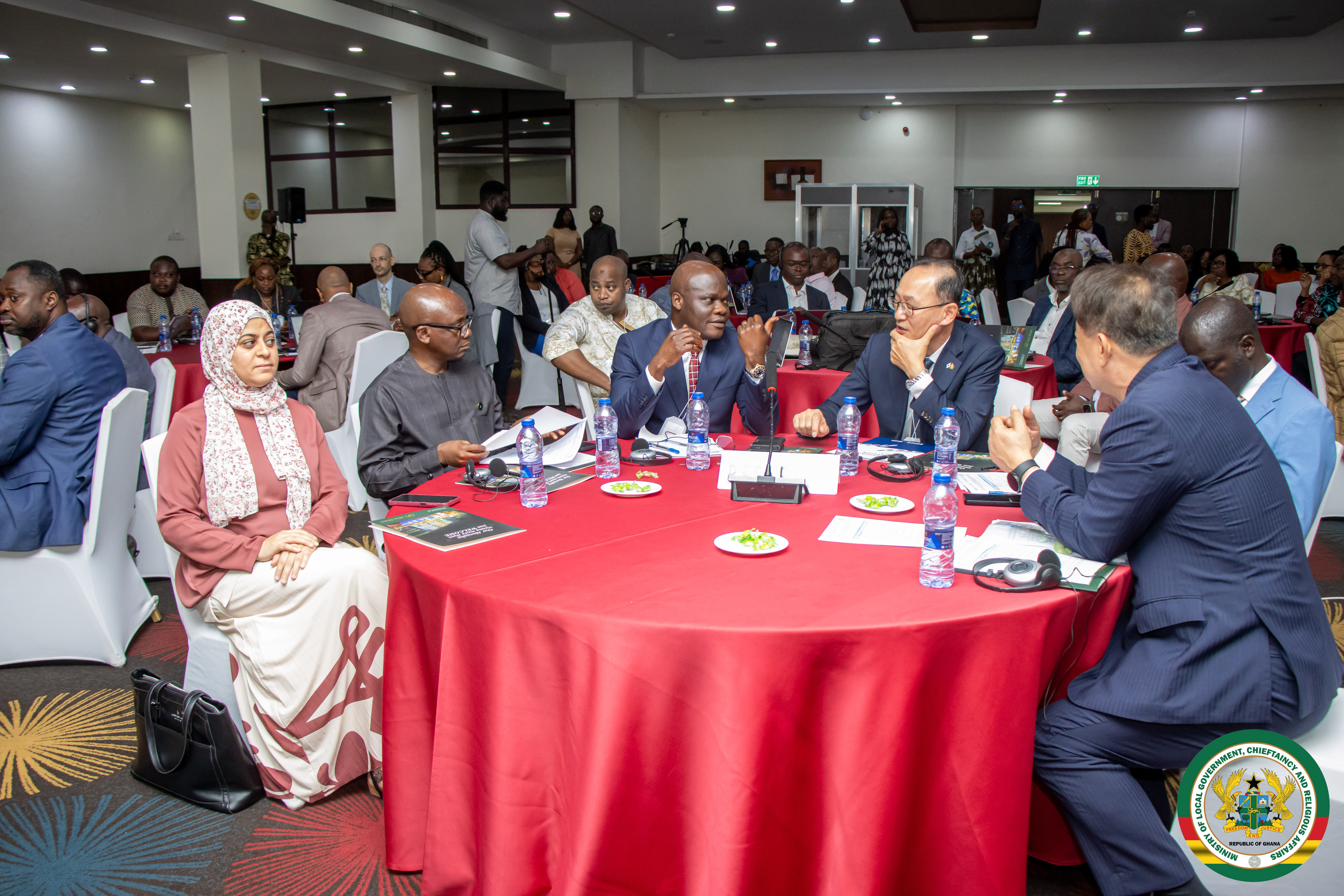
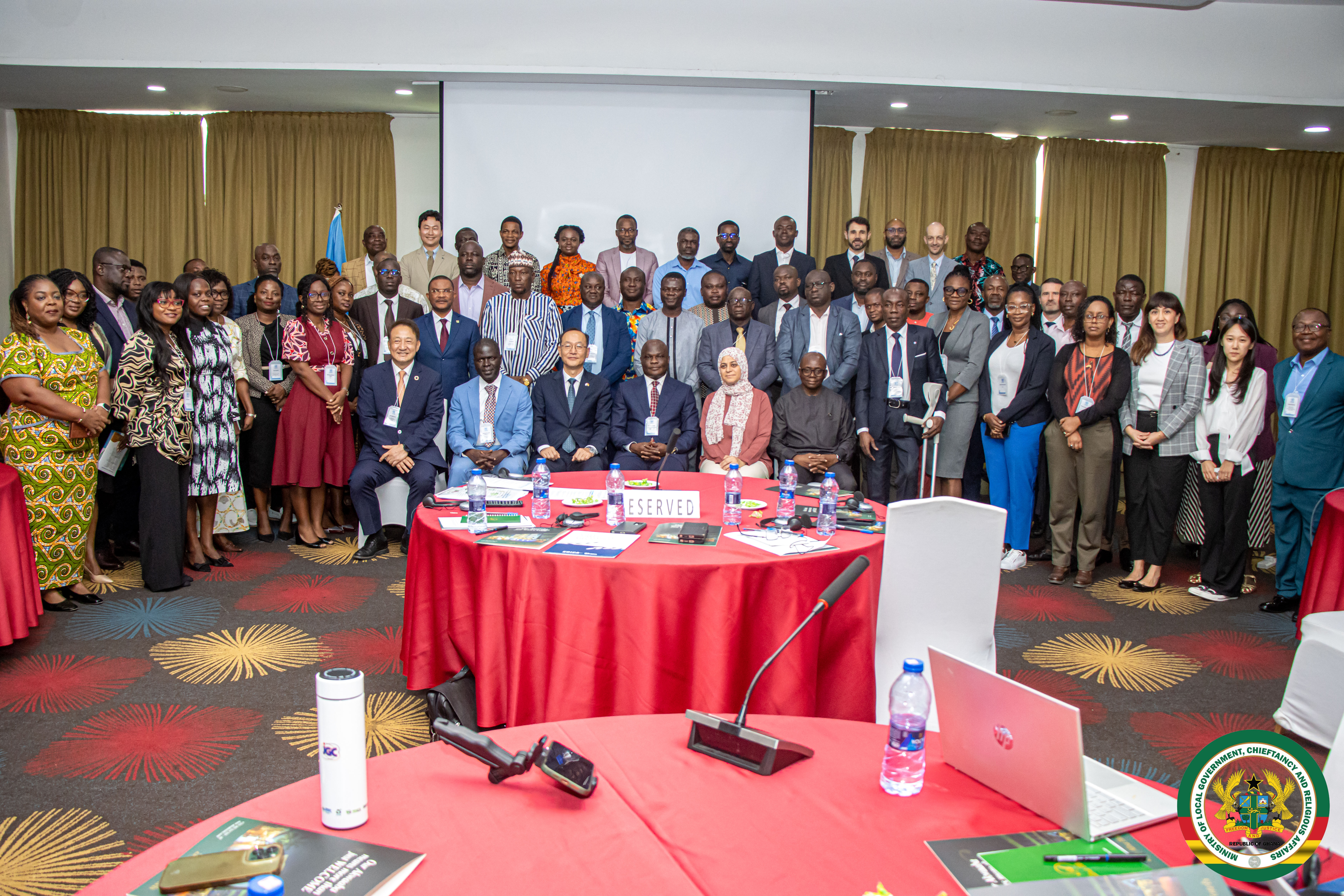
The Ministry of Local Government, Chieftaincy and Religious Affairs (MLGCRA) has commenced a comprehensive review of the National Decentralisation Policy and Strategy Matrix as part of efforts to reposition decentralisation as a key driver of national development. The review process, which is currently underway, seeks to assess gaps in the existing framework and introduce reforms that will enhance democratic governance, improve service delivery, and ensure sustainable development at the local level.

At the center of the ongoing review is the Ministry’s ambition to deepen local democratic participation by transitioning to a system where Metropolitan, Municipal, and District Chief Executives (MMDCEs) are elected on a non-partisan basis. This is expected to promote accountability, strengthen citizen engagement, and ensure that local leaders genuinely reflect the will of the people. Additionally, the Ministry is working to improve merit-based and transparent appointments to District Assemblies as part of a broader effort to strengthen the foundations of local governance.

The review also focuses on streamlining the creation of new districts and enforcing effective boundary management mechanisms to ensure territorial coherence and functional integration of local governments. To support this, the Ministry is proposing a harmonised legal framework that aligns decentralisation laws with sectoral mandates, eliminating overlaps, clarifying institutional roles, and enhancing coordination across agencies for more effective outcomes.

As part of efforts to foster inclusivity and effectiveness, the Ministry is exploring reforms to promote greater gender representation in local assemblies and ensure the timely election of Presiding Members to strengthen Assembly leadership. Further considerations include improving the integration of traditional authorities into local governance structures and building the capacity of Assembly members, decentralised departments, and Regional Coordinating Councils (RCCs).

The review also seeks to address institutional and operational inefficiencies by fully operationalising decentralised departments, raising professional standards among local government staff, and leveraging technology to improve planning and service delivery. Emphasis is being placed on strengthening decentralised planning systems, establishing coordinated governance platforms, and adopting a structured approach to human resource and logistics management.

On the financial front, the review considers measures to improve resource allocation to local governments, reduce irregularities in fiscal transfers, and enhance internally generated fund (IGF) systems through digital tools. It also promotes deeper implementation of the Composite Budget and enhanced financial management practices, while creating a conducive environment for public and private sector investment in local development.

Beyond these areas, the policy review encompasses a wide range of other reforms aimed at enhancing the performance, accountability, and responsiveness of the decentralisation system. These include improvements in planning, monitoring and evaluation frameworks, expanded mechanisms for citizen participation, and strengthened intersectoral coordination at all levels. The Ministry remains committed to engaging stakeholders throughout the process to ensure that the revised policy aligns with national priorities and effectively supports development at the local level.

Through these wide-ranging reforms, the Ministry seeks not only to revitalise the decentralisation process but also to position local governments as key catalysts for equitable and sustainable national development.

Previous Next

MLGCRA Inaugurates Committee to Develop Comprehensive Records Management and Retention Policy

The Ministry of Local Government, Chieftaincy and Religious Affairs (MLGCRA) has officially inaugurated a multidisciplinary committee tasked with the formulation of a comprehensive Records Management and Retention Policy. This milestone initiative, led by the Ministry’s Records Management Unit under the General Administration Directorate, seeks to establish a standardised framework for the creation, handling, storage, and preservation of records across all Directorates of the Ministry.

The inaugural meeting of the committee was held on Thursday, July 31, 2025, at the Ministry’s Conference Room, bringing together nominated officers from various Directorates with diverse expertise. The formation of the committee follows Management’s endorsement of the policy initiative, aimed at promoting efficiency, consistency, and improved public service delivery through sound records management practices. The committee has been assigned a working timeline from August to November to carry out the drafting, validation, and finalisation of the policy.

Delivering the opening remarks, Mrs. Nana Amma De-Graft Quaye, Head of the Records Management Unit, underscored the urgent need for a unified approach to managing records. She noted that the absence of a formalised system had led to disjointed practices, which undermined institutional effectiveness and transparency. She expressed optimism that the committee’s work would lay the foundation for a more accountable and data-driven Ministry.

Providing technical oversight for the policy development is Mr. Josiah Okyere Gyimah, Head of the Records Management Division at the Public Records and Archives Administration Department (PRAAD). In his address, he emphasised the critical role of effective records management in upholding good governance. He highlighted the need for the policy to be supported by a Records Classification Scheme and a Records Retention Schedule to guide the lifecycle of official documents, from creation to disposal or archiving.

Delivering a keynote statement on behalf of the Director of General Administration, Mr. Dela Kemevor, the Director of Research, Statistics, and Information Management (RSIM), Mr. Divine Y. Ayidzoe underscored the strategic significance of the committee’s mandate. He emphasized that the forthcoming policy would not only ensure compliance with key legislative frameworks such as the PRAAD Act 533 and the Public Financial Management (PFM) Act but also serve as a driving force for institutional modernization. He encouraged committee members to see themselves not merely as technical contributors, but as visionary leaders shaping a transformative agenda that will enhance governance, operational efficiency, and the Ministry’s long-term impact.

The meeting featured in-depth discussions on the scope of the assignment, key thematic areas, and agreed timelines for drafting, validation, and finalisation of the policy. Emphasis was placed on incorporating digital transformation and long-term preservation mechanisms in line with international best practices and the evolving needs of modern public administration.

When finalised, the Records Management and Retention Policy will serve as a cornerstone for enhancing the Ministry’s institutional memory, data integrity, and responsiveness to citizens. It will also foster greater transparency, reduce operational risks, and ensure the secure handling of both physical and electronic records.


Source: Sandra Owusu Asamoah

Public Relations Unit, MLGCRA

Validation Workshop Held for National Urban Policy Monitoring and Evaluation Framework

A high-level validation workshop to review and finalise the Monitoring and Evaluation (M&E) Framework for Ghana’s revised National Urban Policy has been held in Accra on the 29th July, 2025.

The workshop, convened by the Ministry of Local Government, Chieftaincy and Religious Affairs under the Green Cities Infrastructure and Energy Programme (GCIEP), brought together representatives from key Ministries, Departments and Agencies, development partners, and urban governance experts. The initiative is supported by the United Kingdom’s Foreign, Commonwealth and Development Office (FCDO).

Delivering the opening remarks, PLN. Samuel Seth Passah, Director for Local Governance and Decentralisation at the Ministry, said the event marked a significant milestone in Ghana’s effort to strengthen urban policy implementation.

“This framework is not just a reporting tool. It is an accountability mechanism and a guide for data-driven decisions that improve how our cities grow and serve their people,” he stated.

Developed as part of Workstream 3A of the GCIEP, the M&E Framework outlines structured indicators, baselines, and target outcomes aligned with the National Urban Policy’s core objectives. It is designed to track inputs, activities, outputs, and long-term outcomes, ensuring a results-based approach to urban planning and governance.

In addition to the M&E Framework, a draft Capacity Needs Assessment Report was also shared. The report identifies institutional gaps in staffing, logistics, technical capabilities, and coordination mechanisms across urban governance actors.

A key aspect of the revised Policy is the planned development of an Urban Observatory to support continuous monitoring, evaluation, learning, and reporting. The Observatory is expected to strengthen institutional accountability and provide timely data for informed decision-making.

Participants were encouraged to provide constructive feedback to refine the framework and ensure its operational feasibility across all levels of government.

The Ministry acknowledged the support of the FCDO and the GCIEP team and reiterated its commitment to implementing the framework in ways that advance inclusive, climate-resilient, and economically vibrant cities across Ghana.

Source: Darling Maame Efua Cann

(Public Relations Unit- MLGCRA)

Our Facebook Feed

Our Twitter Page

Contacts Us

This email address is being protected from spambots. You need JavaScript enabled to view it.

+233 302 932 573

+233 302 932 574

+233 302 908 224

+233 302 906 828

P.O.Box M50 Accra Ghana, West Africa

MOD_DJ_EASYCONTACT_OPEN_FORM